

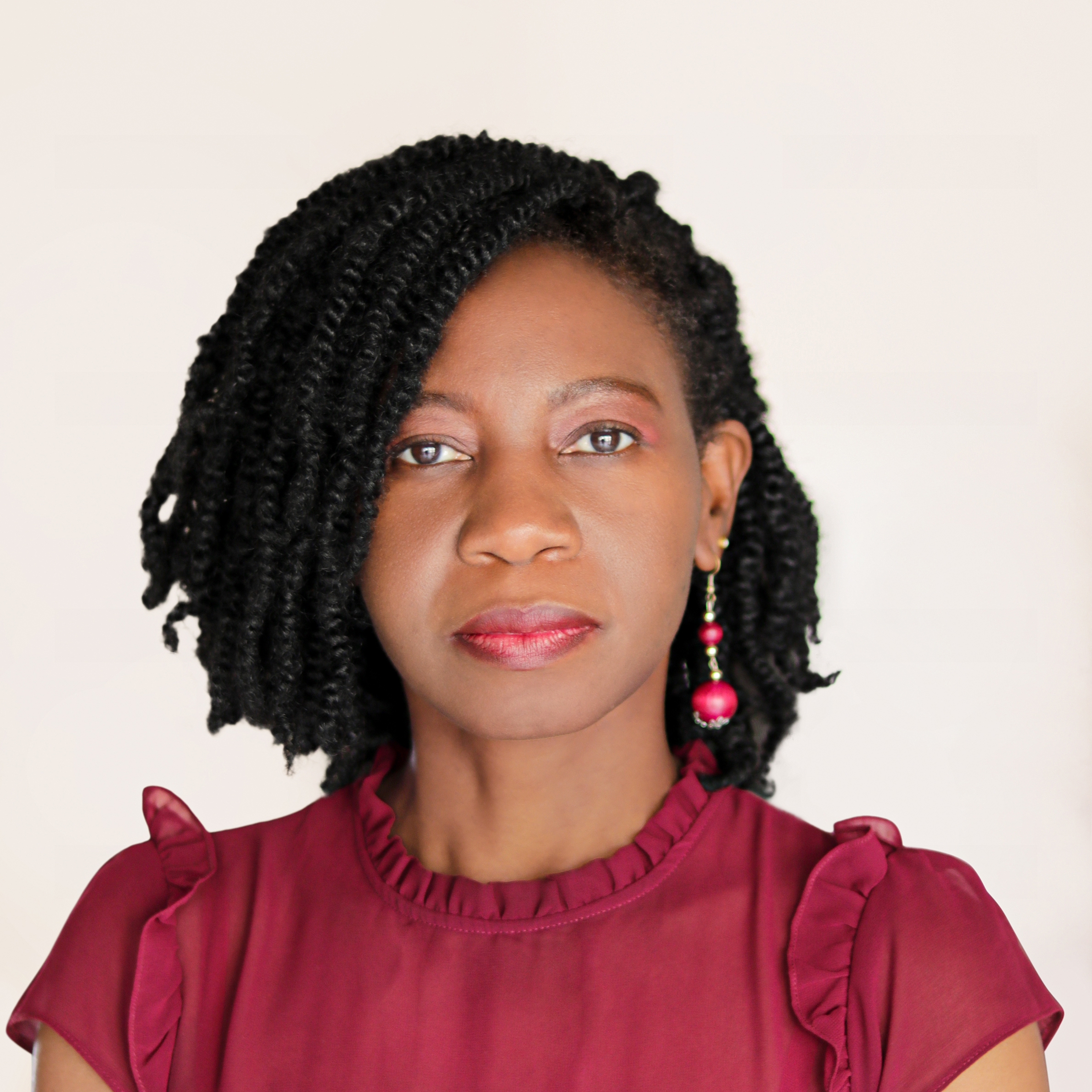
Angela Jimu
Zimbabwe
Visual storyteller and Zimbabwe Associaton of Female Photographers co-director (credits ph: Bon Msunje)I have lived through water abundance and I have also lived through water scarcity. Waking up to empty taps for days on end and if it is the rainy season, harvesting rain water. These experiences have shaped my relationship with water and I have learnt not to water for granted. I cherish water and I wish we could all have access to it, particularly potable water. and I have learned never to take it for granted.


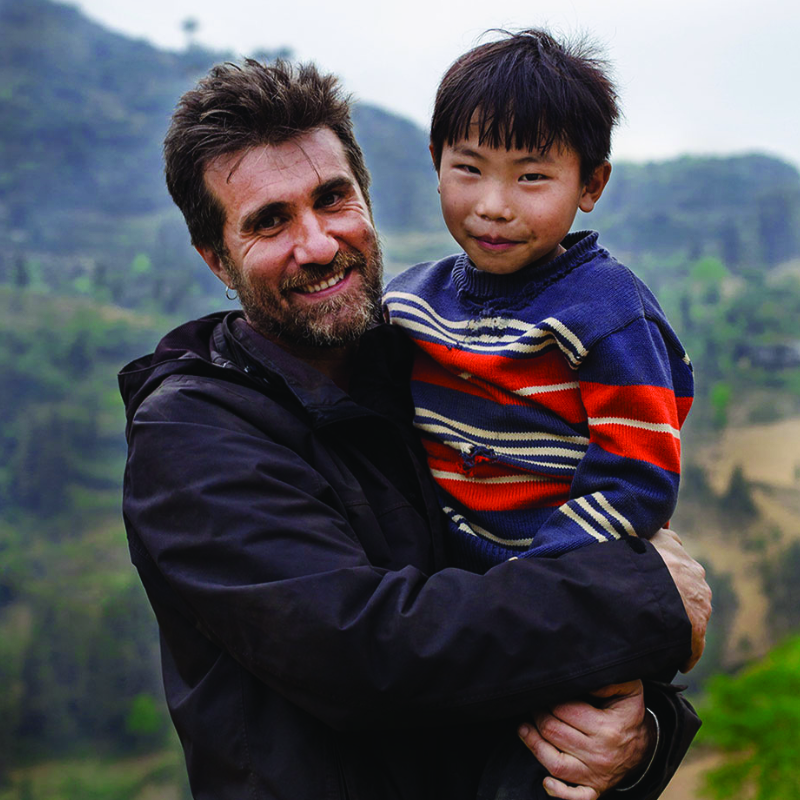
SALVO GALANO
Italy
International portrait and travel photographerWater is not just a natural resource, but a powerful magnifying lens through which gender inequalities can be observed. Where water is scarce, it is often women who pay the highest price; where it is accessible and flows freely, it can become a lever for empowerment. Photography, in this case, has both the task and the power to make this deep connection between water access and gender justice visible.
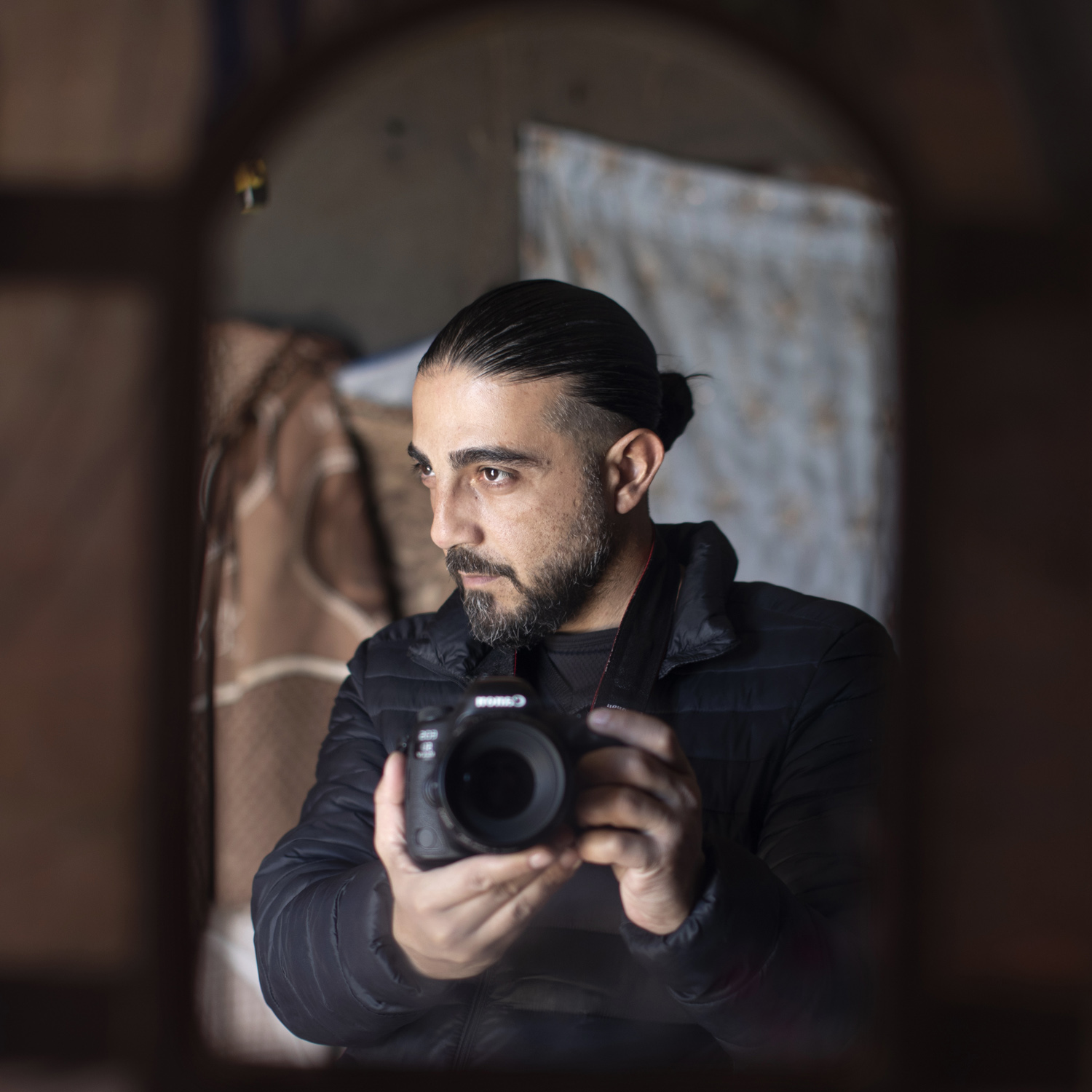
Muhammed Muheisen
Jordan
Photojournalist and explorerTwo-time Pulitzer Prize winner
Water is life. From my experience documenting stories in vulnerable areas around the world, I have seen firsthand how the lack of water causes suffering. I have witnessed how access to clean water restores dignity and hope.
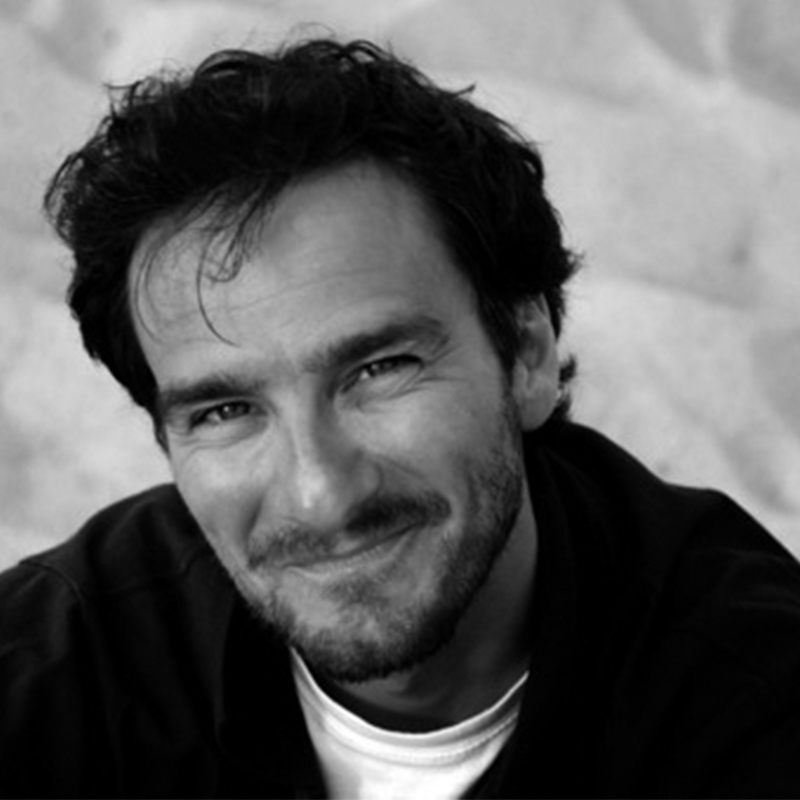
Paolo Ameli
Italy
Director and photographerWater is life’s essence: it shapes landscapes, mirrors light and flows through all that we are. Ever-changing, reflective, and poetic, it offers endless creative possibilities. As Leonardo da Vinci said, “Water is the driving force of all nature.” To photograph it is to capture a fleeting fragment of this eternal energy.
Gaia Squarci
Italy
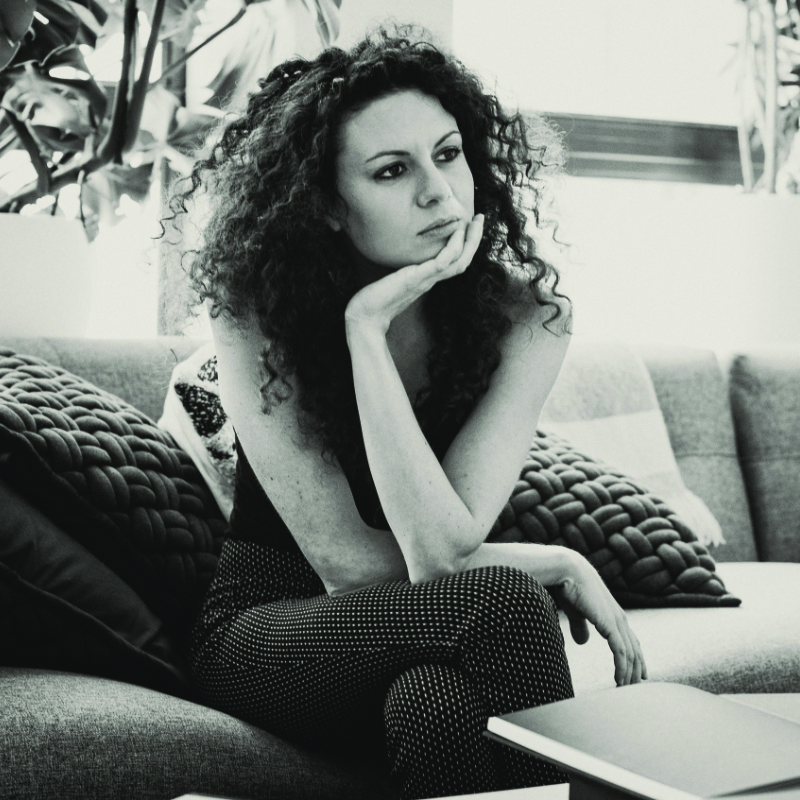
Photographer and videographer (credits ph: ©James Lattanzio)To search for life beyond Earth, scientists “follow the water.” On our own planet, it is the foundation of biological life, and, in an age when almost no job can exist without data, it cools the servers that sustain our digital reality. It is also one of the most destructive forces we know. Photographically, the challenge of representing water lies in its multiformity and its presence at every conceivable scale. Its color shifts with the light it reflects, its shape with the mold that contains it, its power rests in perpetual movement. To visualize water is an attempt to distill its vastness, its force, its elusiveness, and its necessity into still images.

Georgina Goodwin
Kenya
Conservation Photographer and Visual StorytellerWater is more than access, purity, or sanitation — it is the living force that binds people, wildlife, and ecosystems everywhere. When we connect to water, we remember our connection to one another and to the Earth itself. That conversation is foundational to sustainability, protection, and the future we all depend on.
Adrees Latif
United States – Pakistan
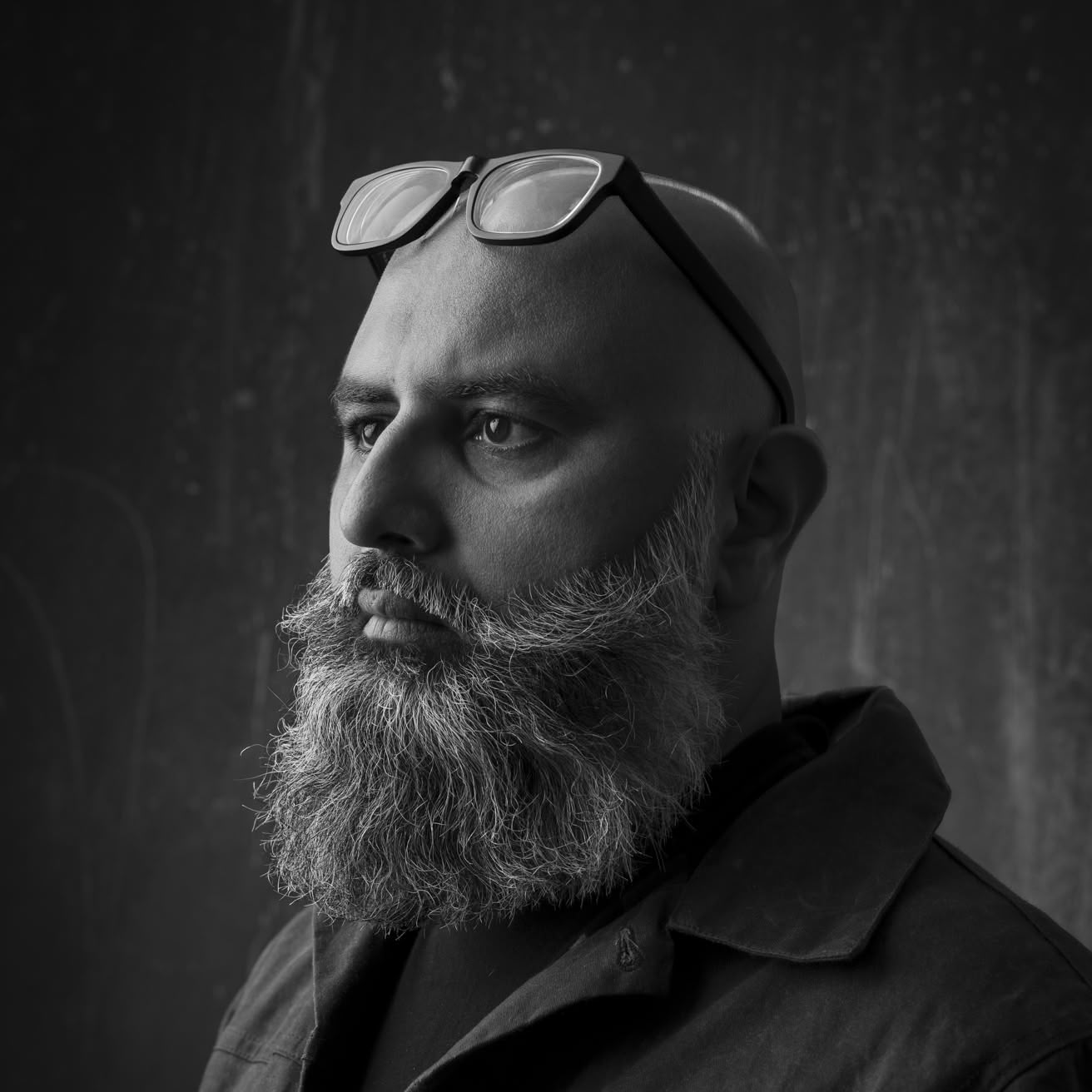
Photojournalist and editor Two-time Pulitzer Prize winner (credits ph : Robert Seale)Water is life's first language. It remembers every civilization that has risen beside it.
Simone Bramante
Italy
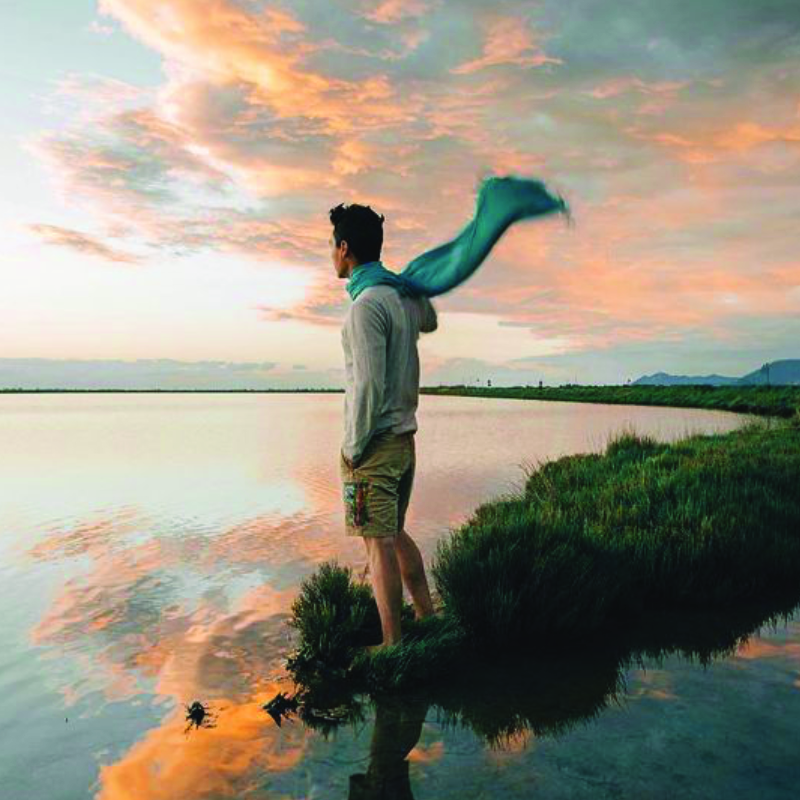
Photographer and creative directorJust as water constantly changes shape, taking on multiple ‘faces’ depending on the container it’s poured into and the way it’s used, so too do the faces of those who come into contact with it transform—on a journey of growth toward a new future.
Roberto Ridi
Elba Island - Italy
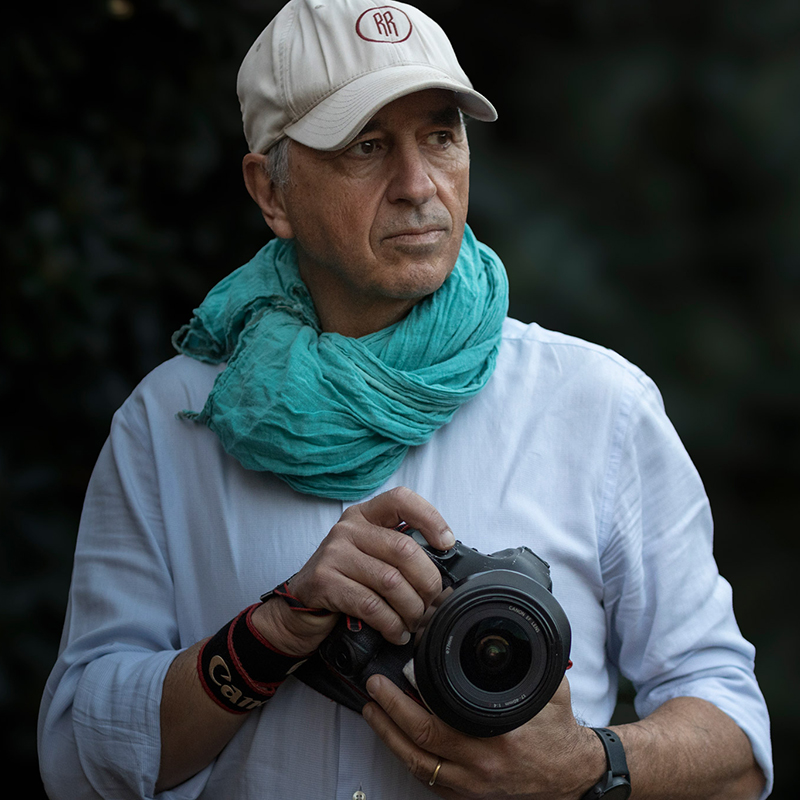
International photographer and visual storyteller of places and people“The sea is what water means to me, a magnificent liquid, the sky's mirror. I live on an island, embraced by this immense element, changing, unstoppable, capable of instilling serenity but commanding respect, both gentle and mighty. From the transparency of the surface to its dark depths, it is like the human soul.”
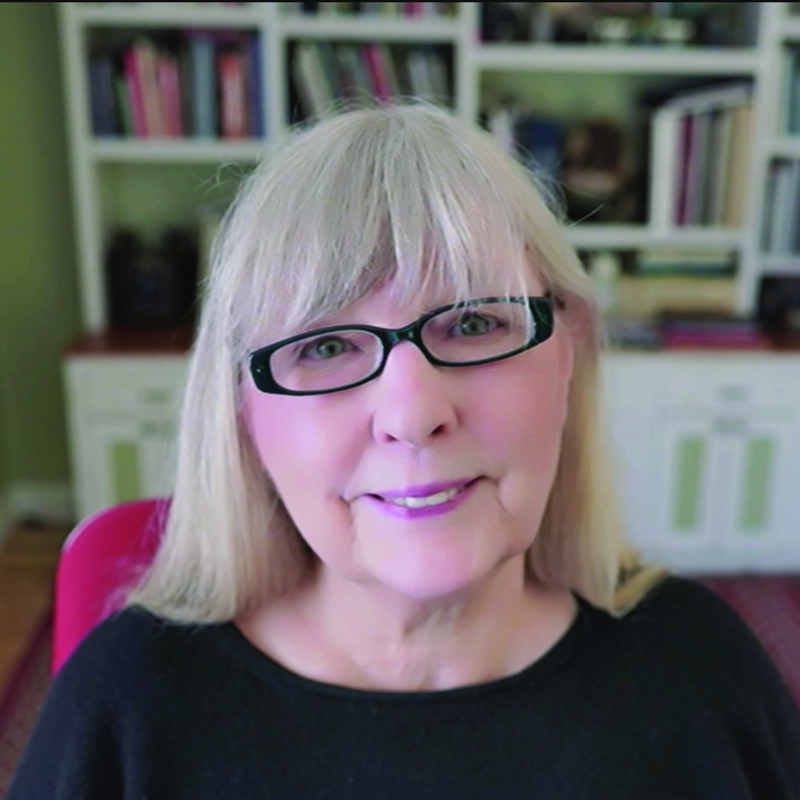
Sarah Leen
United States
Photographer, photo editor and a teacher. First female Director of Photography of National Geographic magazine.Sixty percent of the human body is composed of water. Without adequate clean water human survival, in fact all life on earth, is threatened. Water is indeed life, essential, beautiful, pleasurable and utterly precious.
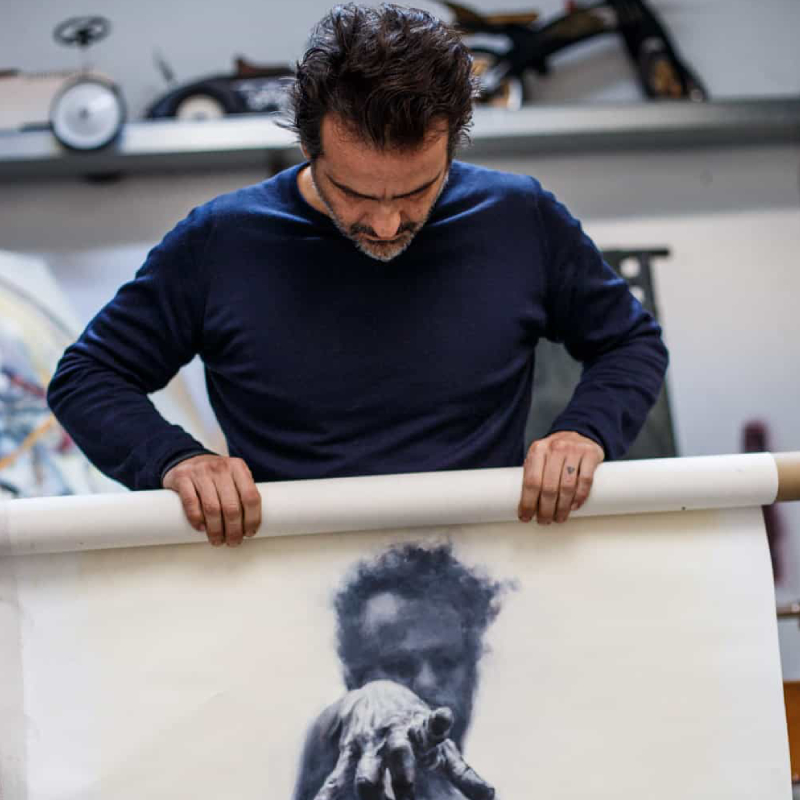
Paolo Troilo
Italy
The hyperrealist artist who paints with fingers. Art director“We would all love to be suspended in a transparent world, to move with grace when it's not required, and most importantly, because it's not required. Water doesn't demand respect; it leaves us free to decide, and that deserves respect.”
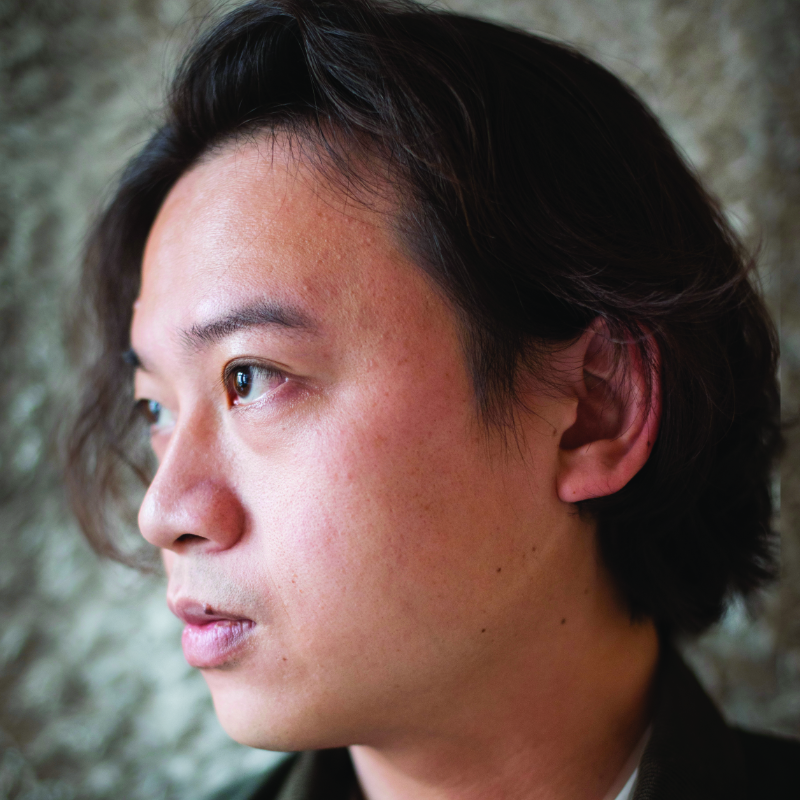
Nathan Tsui
Hong Kong
Photographer and Photography WriterWater is not only a fundamental human right, but also a vital resource that can lead to social conflicts, geopolitical tensions, and even wars. In recent years, climate change has triggered severe floods and droughts across the Asia-Pacific region, profoundly impacting communities and economies. As these challenges intensify, documentary photography and photojournalism serve as powerful tools to raise awareness and engage readers with these critical issues

Maxim Sergienko
Germany
Photo&videojournalist and Director of the Photography of “DER SPIEGEL online”Women and girls usually have the responsibility of fetching water. This can be a dangerous, time-consuming and physically demanding task. Long journeys by foot, often more than once a day, can leave women and girls vulnerable to attack and often precludes them from school or earning an income.
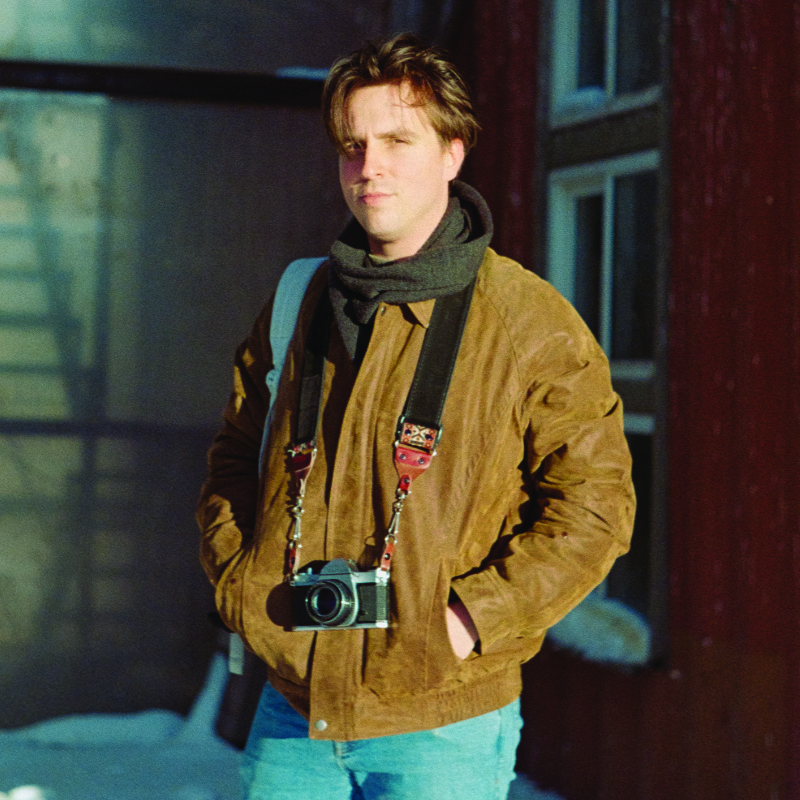
Jarrett Edmund
Canada
Photographer and writerWater is life
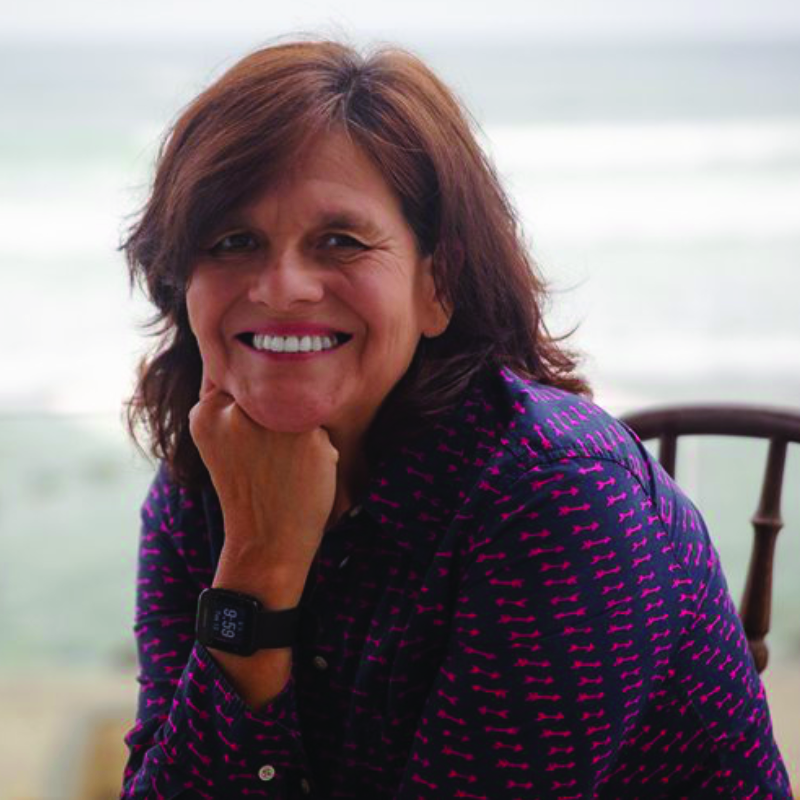
Mariana Bazo
Perù
Photojournalist and documentary photographer, co-founder @fotografas_peruLack of safely managed water and sanitation is an equality issue. Women and girls are disproportionately affected by poor water, sanitation and hygiene services and facilities. However, their voices and needs are often absent in the design and implementation of improvements, thereby ensuring their continued marginalization.